

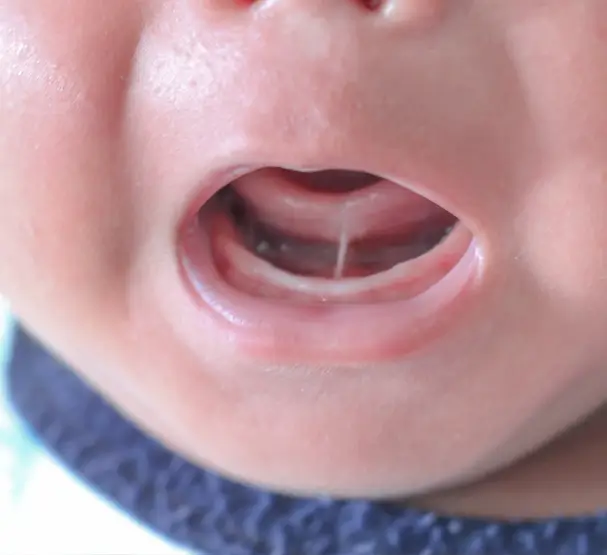
Many parents seek a tongue-tie assessment because feeding doesn’t feel comfortable or effective. Common signs include painful breastfeeding, poor latch, clicking sounds during feeds, frequent or very long feeds, reflux-like symptoms, poor weight gain, or frustration at the breast or bottle.
During your appointment, we carry out a thorough tongue-tie assessment alongside a full feeding review to understand how your baby’s tongue function may be affecting feeding, not just how it looks, but how it works.
Yes, and this is something families really value. If a tongue-tie is identified and a release is clinically appropriate, the consultation and tongue-tie release can be performed during the same appointment.
Many other providers require an initial assessment followed by a separate release appointment on another day, which can mean extra cost, extra appointments, and continued feeding difficulties. Our approach saves time, reduces stress, and allows feeding support to begin immediately.
Tongue-tie release is a quick procedure and is generally very well tolerated by babies. We take a gentle, baby-led approach and ensure parents feel informed and supported throughout.
Following the release, babies are encouraged to feed straight away, and we provide aftercare guidance and ongoing feeding support to help you feel confident as feeding improves.
For many babies, releasing a tongue-tie can significantly improve feeding comfort and effectiveness, whether breastfeeding, bottle-feeding or combination feeding. However, every baby is different.
That’s why our service includes both a detailed assessment and feeding support, ensuring tongue-tie release is only recommended when appropriate and always combined with personalised infant feeding advice to support the best possible outcome.
Due to safety and insurance purposes, we can assess and perform tongue tie procedures (frenulotomy) for babies from birth up to 12 weeks old (corrected age for those born prematurely). If you would like just an assessment for tongue tie only for a baby beyond this age, we can do this for you and discuss your history and concerns and make appropriate referrals for you if required.
For us to maintain optimum safety for your baby during this procedure, we do require either the vitamin K injection OR the first dose of oral vitamin K to have been administered prior to the appointment (ideally at least a day before). This is because the vitamin K encourages blood clotting and reduces the risk of excessive bleeding which is a rare but serious complication.